


A well-furnished vacation home should feel welcoming the moment someone steps inside. It should not feel staged or temporary. Instead, it should carry warmth, intention, and a sense of belonging, even when the owner is miles away. When decorating a vacation home, focus on atmosphere, comfort, and craftsmanship to create a space that tells a story.
At its heart, a personal vacation home is about connection. The connection between materials and space, between guests and place, and between everyday rituals and lasting memories. The Rural Art focuses on furniture design that is grounded, timeless, and emotionally resonant rather than just ornamental.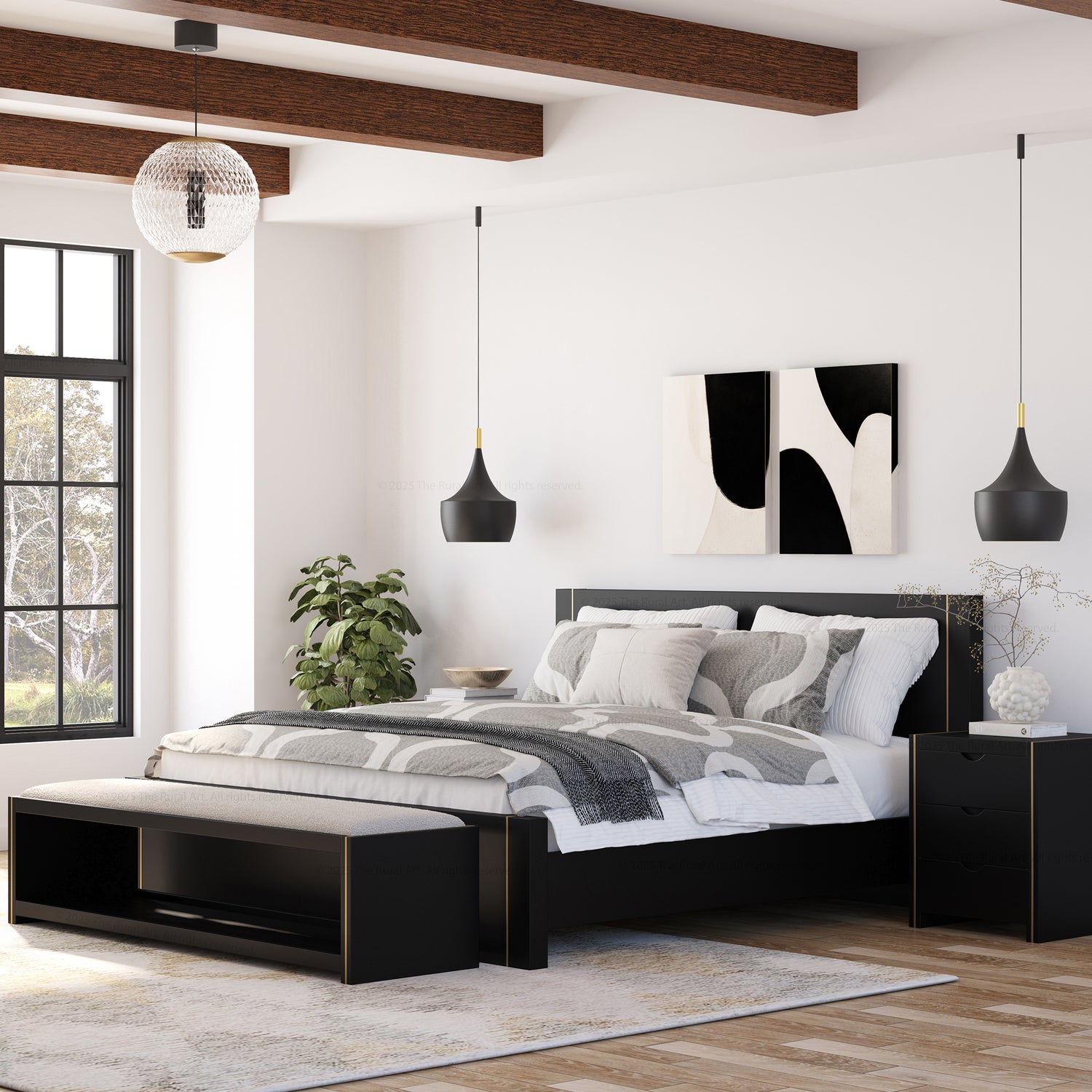
Start With Materials That Carry Character
The fastest way to remove the sterile feeling from a second home is to choose materials that age beautifully and feel honest. Solid wood instantly adds warmth and authenticity that engineered materials simply cannot replicate.
Indian rosewood, teak wood, acacia wood, and mango wood are especially well-suited for vacation homes. These woods carry visible grain patterns, natural variations, and a tactile presence that makes a room feel lived in rather than styled.
A teak dining table finished in Honey Glaze brings a golden warmth that complements coastal light. A mango wood sideboard in Cocoa Ember adds depth to mountain or desert retreats. These choices do not overpower a space; they anchor it. When furniture is made from solid wood, it quietly communicates permanence, which helps guests relax and settle in.
Focus on Designing Spaces for Rituals
Vacation homes feel personal when they support small rituals. Morning coffee by a sunlit window. Evenings spent reading under soft light. Shared meals that stretch longer than planned.
Instead of overfurnishing, think about how each room will be used emotionally. A bedroom benefits from a bed that feels grounding and calm. A piece like the Carmel Bed, crafted in solid wood with clean proportions, supports rest without demanding attention.
Living spaces should invite lingering. A low-profile coffee table in Mocha Luxe paired with textured rugs and linen upholstery encourages barefoot comfort and slow conversations.
These design choices help make a second home feel luxurious without excess, because luxury here is defined by ease.
Use Textiles and Scent to Build Familiarity
Furniture sets the foundation, but textiles and scent make a space feel human.
Natural fabrics like cotton, wool, and linen soften solid wood and create balance. Layer throws over seating. Choose cushions in earthy tones that echo the wood finishes around them. Avoid overly bold patterns that feel seasonal or disposable.
Scent plays an equally important role. A subtle cedar, sandalwood, or citrus note instantly connects guests to the home each time they arrive. Over time, scent becomes memory. It becomes part of what makes the house feel familiar.
These sensory details help an artisanal furniture vacation house feel welcoming even when owners are absent.
Let Craftsmanship Speak Quietly
Furniture does not need to announce itself to be noticed. In fact, the most personal spaces often rely on pieces that reveal their quality slowly.
Handcrafted joinery, softly rounded edges, and thoughtful proportions signal care and intention. A console with visible wood grain or a cabinet with traditional construction techniques carries a sense of heritage that mass-produced furniture lacks.
The Hollywood Floating Bed is a good example of this quiet confidence. Its design feels contemporary, but its craftsmanship gives it longevity. It does not chase trends, which makes it ideal for spaces meant to endure years of use by different guests.
It aligns with vacation homes that aim to feel grounded rather than constantly updated.
Curated Decor Over Excess Styling
Personal spaces are edited, not crowded. Rather than filling shelves with decorative objects, choose a few meaningful elements that reflect place and purpose.
Hand-thrown ceramics, woven baskets, or locally sourced art connect the home to its surroundings. Books, board games, and practical decor invite interaction rather than observation.
Wood furniture in shades like Pure Essence or Ivory Drift creates a neutral backdrop that highlights curated pieces effectively.
When decor feels intentional, guests sense that the home is cared for, not staged.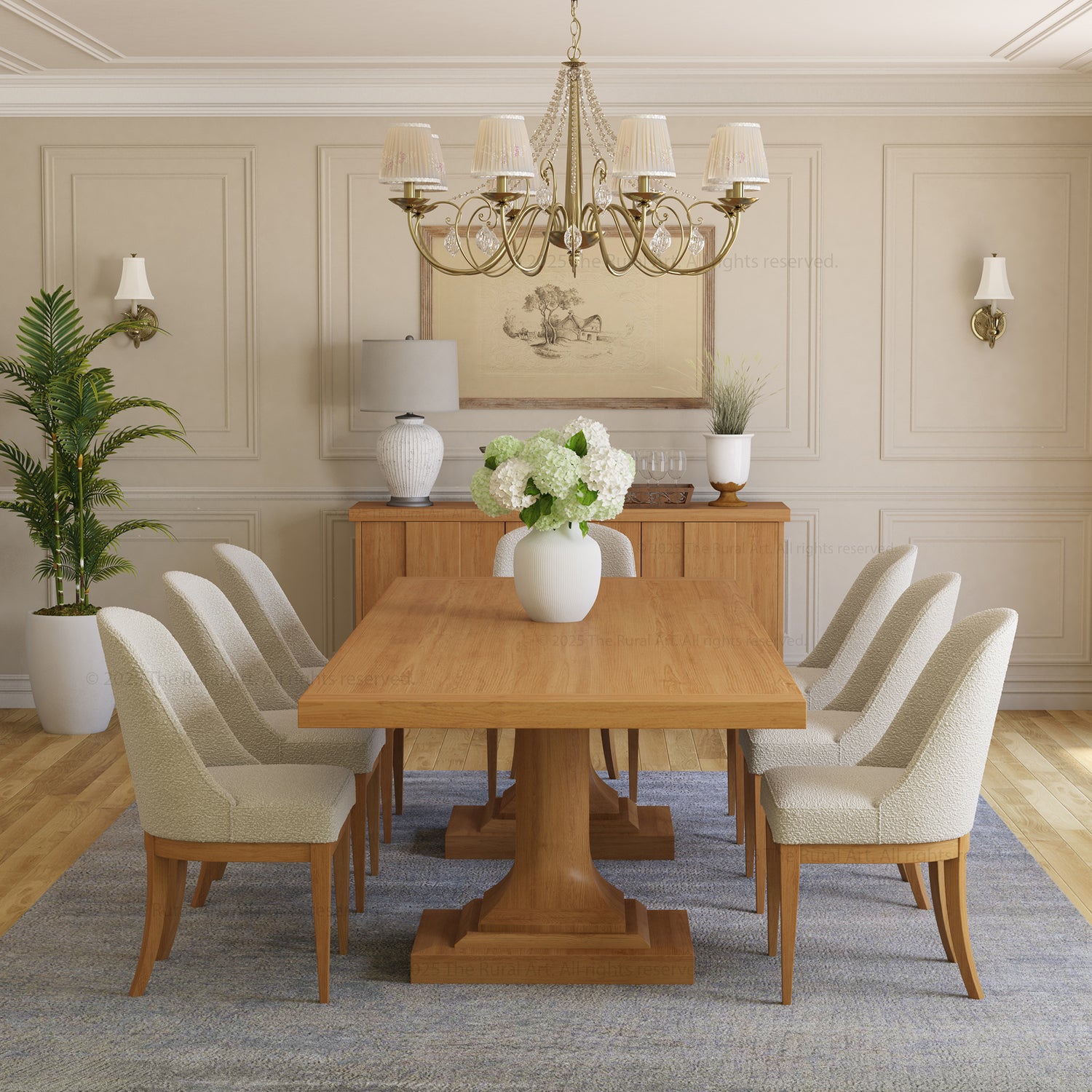
Balance Consistency With Subtle Variation
One of the challenges of furnishing a vacation home is creating flow without repetition. Using a consistent material palette helps unify the space, while subtle changes in form or finish keep it interesting.
For example, pairing a rosewood dining table in Mahogany Luxe with acacia wood bedside tables in Sangria Blush adds depth without visual noise. The woods speak the same language but tell slightly different stories.
This balance helps make a second home feel luxurious while still relaxed and approachable.
Furniture That Supports Guest Connection
Vacation homes are shared spaces. Furniture should support connection rather than isolation.
Large dining tables, comfortable seating arrangements, and open storage encourage guests to gather, cook together, and settle in. Avoid overly precious pieces that make people hesitant to use the space.
Solid wood furniture naturally supports this mindset. It is durable, forgiving, and meant to be lived with.
A well-furnished home conveys a sense of warmth and hospitality, inviting guests to feel comfortable.
Designing For Durability and Memory
When furniture is chosen with longevity in mind, the home evolves gracefully. Scratches become stories. Patina becomes a character. This is where craftsmanship and material integrity matter most. Pieces that are built well age with dignity, allowing the home to feel more personal over time rather than worn.
The Rural Art focuses on furniture design that prioritizes lasting value instead of seasonal trends. A vacation home furnished this way becomes a place people remember long after they leave.
Home That Feels Inviting
The goal is not to replicate a primary residence. It is to create a space that feels intentional, warm, and quietly expressive. When materials, scent, textiles, and craftsmanship work together, the home carries a presence of its own.
Guests feel guided, comforted, and connected without being instructed. That is how a vacation home feels personal even when no one is there.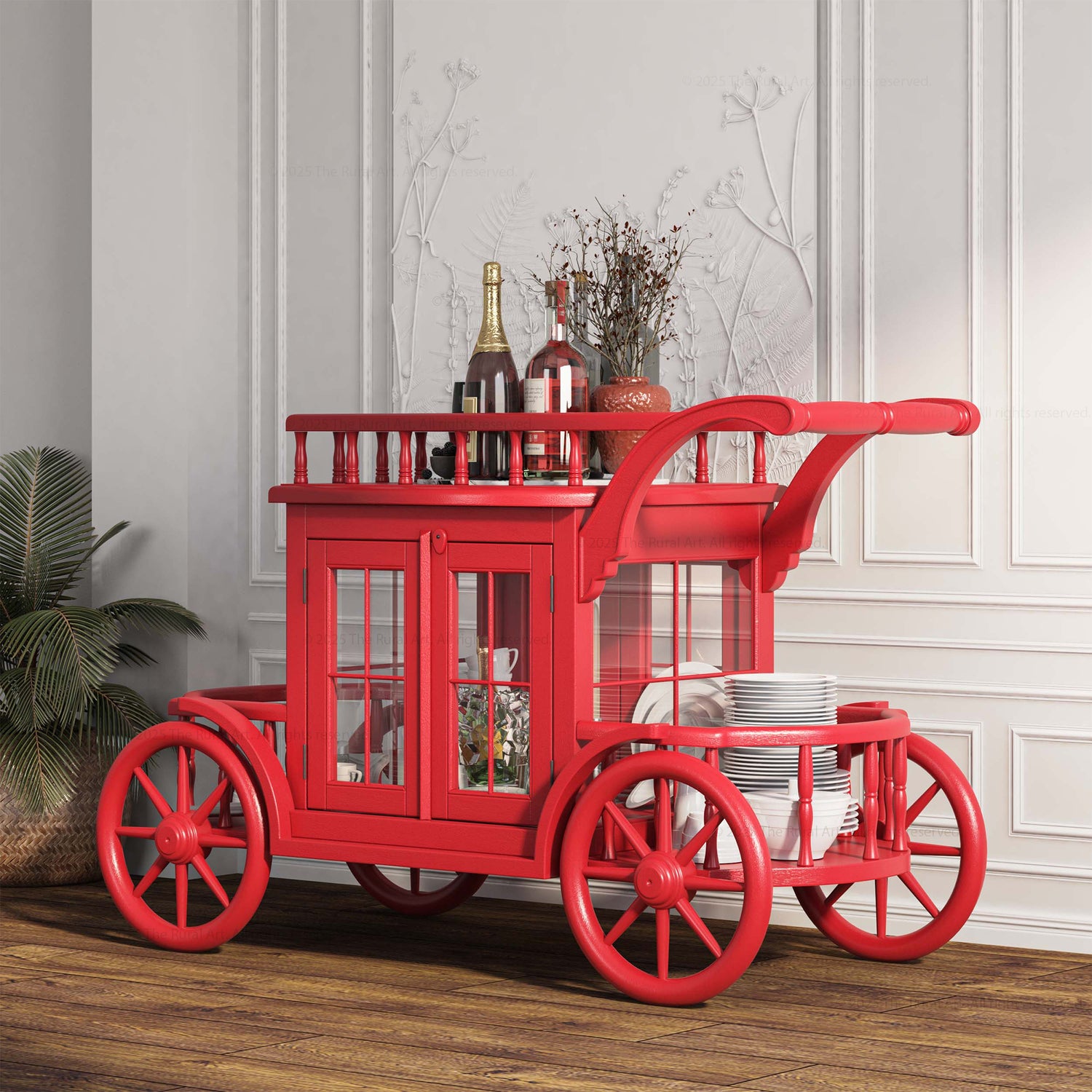
Designing a Vacation Home That Leaves a Lasting Presence?
A personal vacation home is not defined by how often you are there, but by how thoughtfully it is put together. When furniture is chosen for comfort, craftsmanship, and emotional warmth, the space begins to hold presence on its own. Solid wood, natural textures, familiar scents, and curated details quietly shape how guests experience the home, helping them feel relaxed and connected from the moment they arrive.
By focusing on materials that age gracefully and designs that support real moments, a vacation home becomes more than a getaway. The Rural Art offers handcrafted solid wood collections, with each piece designed for durability, balance, and quiet character.


